
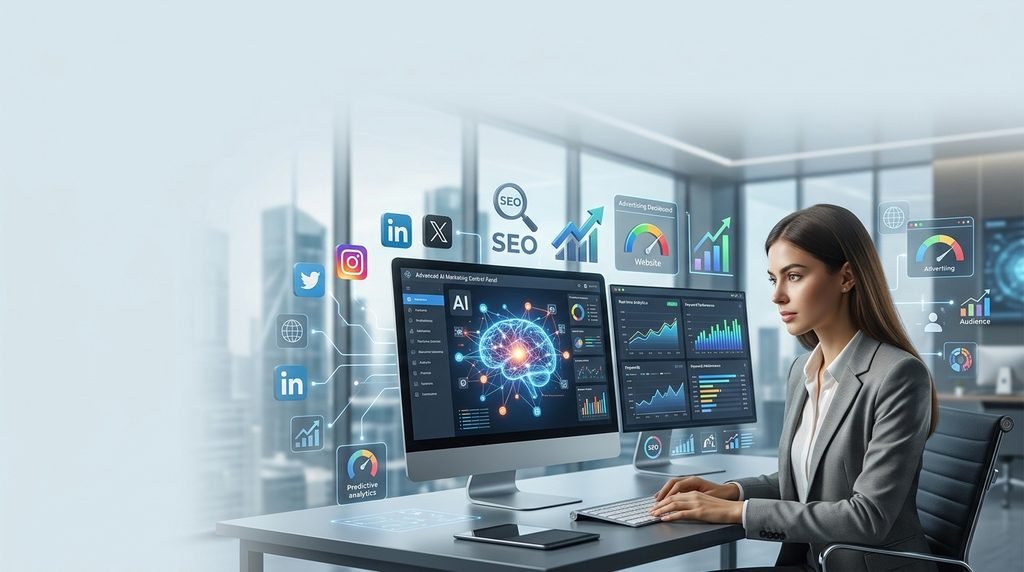
AI Marketing 2026 is changing the way businesses attract customers, create content, analyze data, and promote products online. Artificial intelligence is no longer just a technology for large companies. Small businesses, marketers, creators, and online entrepreneurs can also use AI tools to improve their marketing strategies.
From generating content to understanding customer behavior, AI is helping marketers save time and make better data-driven decisions. But what exactly is AI marketing, and how is it changing digital marketing in 2026?
What Is AI Marketing?
AI marketing is the use of artificial intelligence technologies to plan, create, optimize, and analyze marketing activities.
AI-powered tools can process large amounts of information and identify patterns that would take humans much longer to find. Marketers can use these capabilities for tasks such as:
- Creating marketing content
- Analyzing customer behavior
- Personalizing advertisements
- Generating ideas and headlines
- Improving SEO
- Automating repetitive tasks
- Analyzing marketing performance
- Supporting customer service
The goal is not necessarily to replace marketers. Instead, AI can help marketers work faster and focus more on strategy, creativity, and customer relationships.
Why AI Marketing 2026 Is Important
Digital marketing has become increasingly competitive. Businesses are publishing more content, running more advertisements, and competing for the same customers.
AI Marketing 2026 provides marketers with tools that can help them handle this competition more efficiently.
For example, instead of spending hours creating the first draft of an article, a marketer can use AI to generate an outline, identify potential topics, and organize ideas. The marketer can then review, improve, and add original insights to the final content.
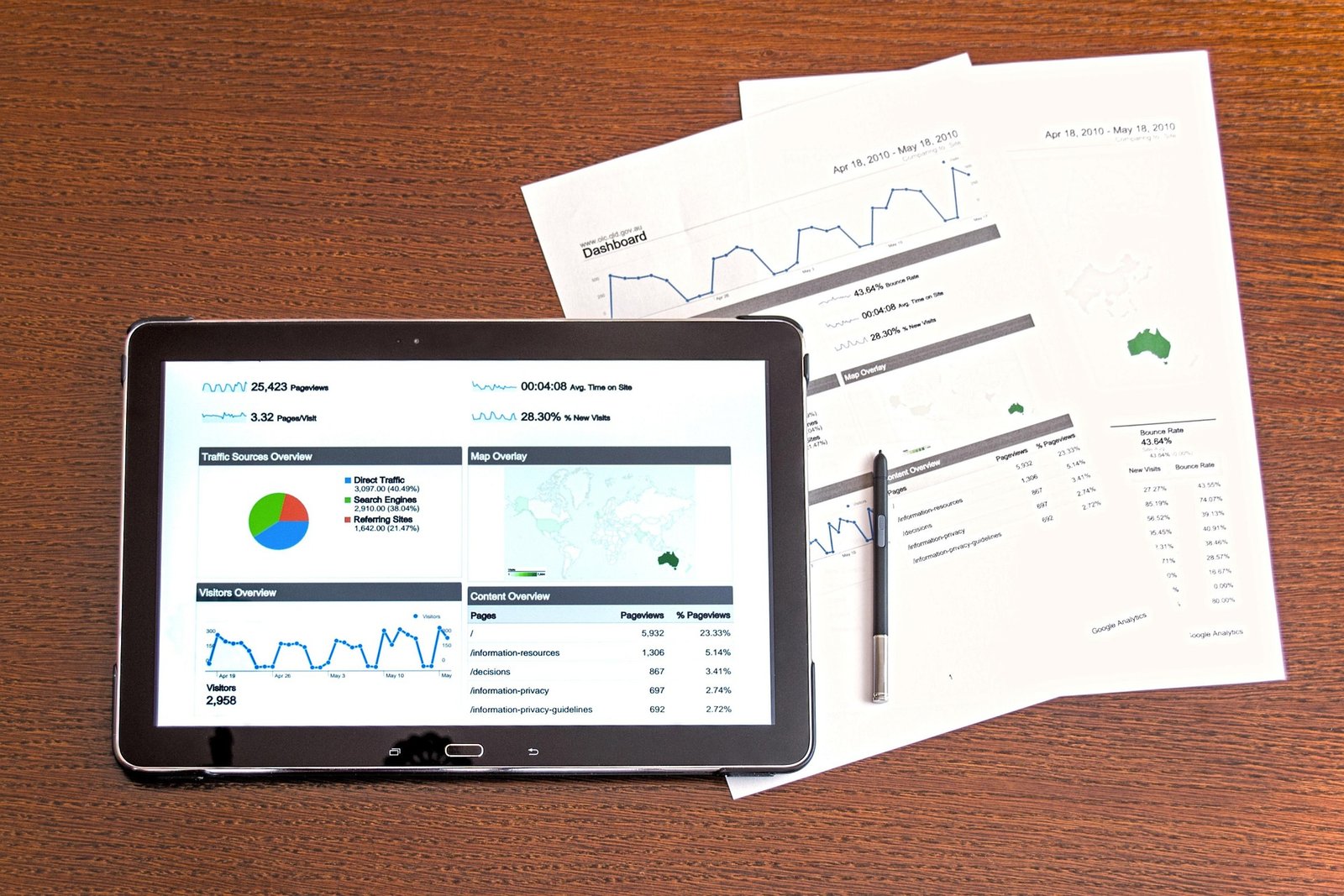
AI can also analyze marketing data and help identify trends in customer behavior.
1. AI Is Transforming Content Marketing
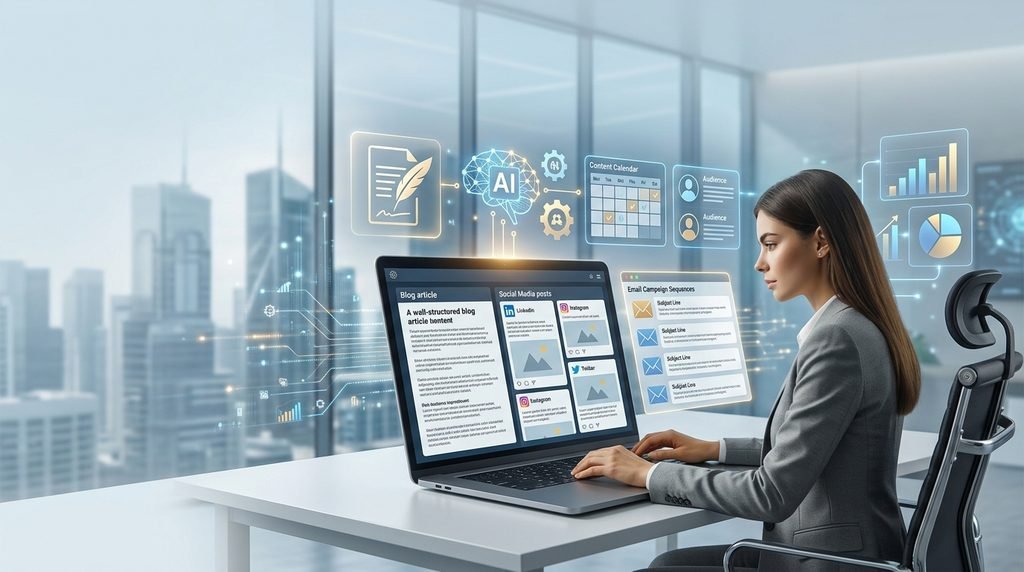
Content marketing is one of the areas most affected by artificial intelligence.
AI tools can assist with:
- Blog post ideas
- Article outlines
- Social media captions
- Email marketing drafts
- Product descriptions
- Video scripts
- Ad copy
- Content summaries
However, simply generating large amounts of AI content does not automatically create successful marketing.
Successful content still needs to be useful, accurate, original, and relevant to the audience. Human review is important for checking facts, adding experience, and making the content sound natural.
2. AI Is Changing SEO
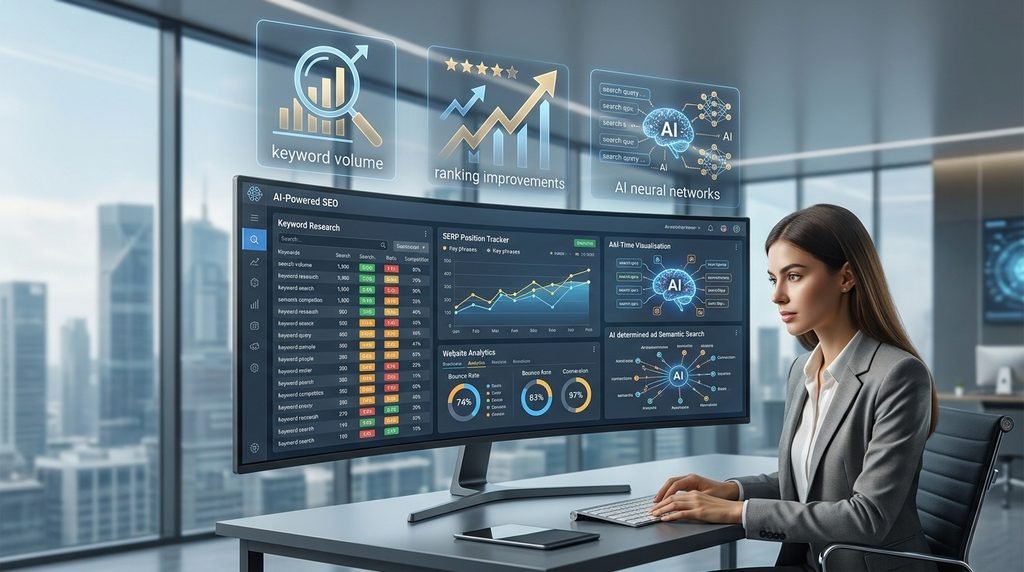
Search engine optimization is also being influenced by artificial intelligence.
AI can help marketers research topics, organize keywords, identify content gaps, create content outlines, and analyze competitors.
For example, an SEO workflow might look like this:
Keyword research → Search intent → Content outline → Article creation → Human editing → SEO optimization → Performance analysis
AI can make several of these steps faster, but marketers still need to understand what users are actually searching for.
The focus should be on creating content that answers people’s questions rather than simply repeating keywords.
3. Personalized Marketing Is Becoming More Powerful
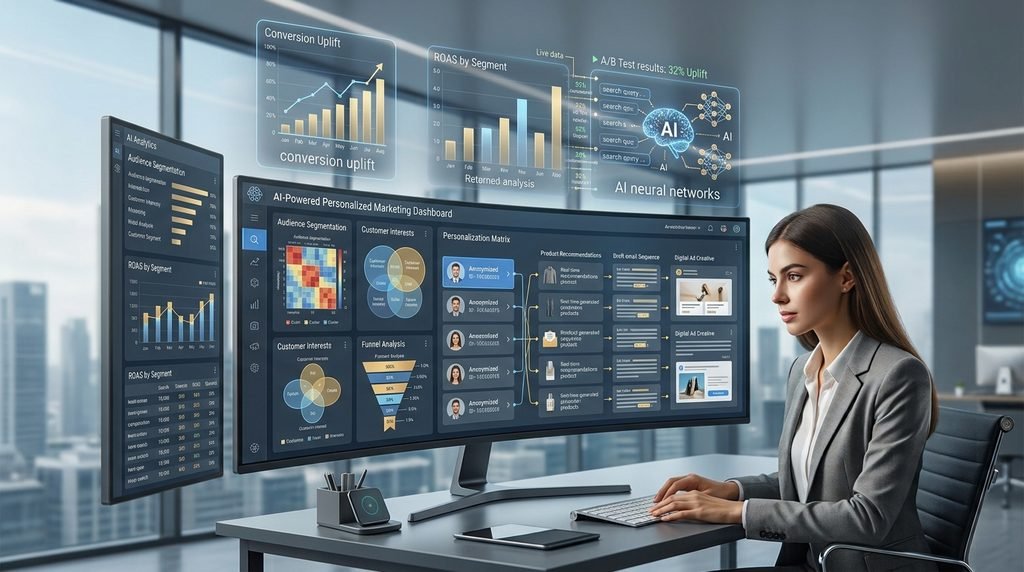
Customers do not always respond to generic marketing messages.
AI can help businesses understand different customer segments and create more personalized experiences.
For example, an online store might use customer data to provide different recommendations based on previous interactions.
This can include:
- Product recommendations
- Personalized emails
- Customized offers
- Relevant advertisements
- Different website experiences
Personalization can make marketing messages more relevant, but businesses should also handle customer data responsibly and respect applicable privacy requirements.
4. AI Is Improving Advertising
Advertising platforms increasingly use machine learning and automation to help businesses optimize campaigns.
AI can assist marketers with:
- Audience analysis
- Ad variations
- Creative ideas
- Budget optimization
- Campaign analysis
- Performance predictions
Instead of manually testing every possible advertisement, marketers can create several variations and use performance data to determine which messages receive better engagement.
Human oversight remains important because advertising decisions involve brand positioning, budget, legal requirements, and business goals.
5. AI Chatbots Are Changing Customer Service
AI-powered chatbots can answer common customer questions at any time of day.
Businesses can use chatbots for questions such as:
- What are your opening hours?
- How much does this product cost?
- How can I track my order?
- What services do you provide?
- How can I contact support?
This can reduce the amount of repetitive work handled by human support teams.
For complicated problems, however, customers may still need to be transferred to a human representative.
6. AI Can Help With Marketing Analytics
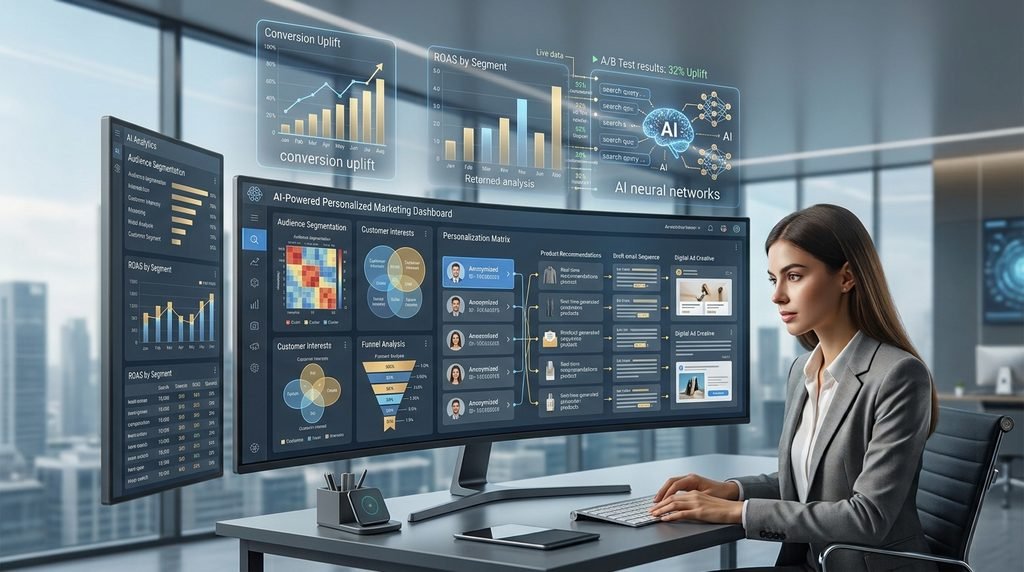
Marketing produces a large amount of data.
AI can help marketers analyze information from sources such as:
- Website traffic
- Advertising campaigns
- Email campaigns
- Social media
- Customer interactions
- Sales data
Instead of looking at every number manually, marketers can use AI-assisted analytics to identify patterns and areas that deserve attention.
For example, a business may discover that visitors from one marketing channel spend more time on its website than visitors from another channel.
This information can help the business investigate which channels are producing meaningful results.
7. AI Video and Image Tools Are Expanding
Visual content has become an important part of digital marketing.
AI tools can help marketers create or edit:
- Social media graphics
- Product images
- Promotional visuals
- Video concepts
- Presentations
- Short-form video content
This gives small businesses access to creative capabilities that previously could require expensive software or professional production teams.
The best results usually come from combining AI-assisted production with a clear brand identity and human creative direction.
Benefits of AI Marketing in 2026
There are several potential benefits to using AI in marketing.
Faster Content Production
AI can help marketers generate initial ideas, outlines, drafts, and variations quickly.
Better Data Analysis
AI can process large amounts of information and identify patterns that may be difficult to spot manually.
Greater Personalization
Businesses can use AI to create more relevant experiences for different customer groups.
Marketing Automation
Repetitive tasks can be automated, allowing marketers to spend more time on strategy.
Lower Barriers for Small Businesses
Small businesses can use affordable AI tools to perform tasks that previously required larger teams.
Challenges of AI Marketing
AI marketing also comes with challenges.
Accuracy
AI-generated information can sometimes be incorrect. Important claims should always be checked before publication.
Privacy
Businesses need to consider how customer information is collected, stored, and used.
Over-Automation
If every piece of marketing is generated automatically, content can become repetitive and lose the human connection that makes a brand distinctive.
Competition
Because AI makes content creation easier, more businesses can produce content. This means useful, original, and trustworthy content becomes even more important.
How Businesses Can Use AI Marketing in 2026
Businesses do not need to automate everything at once. A practical approach is to start with specific tasks.
Step 1: Identify Repetitive Tasks
Find marketing activities that consume a lot of time, such as creating content ideas or summarizing campaign data.
Step 2: Choose Appropriate AI Tools
Select tools based on the specific problem you want to solve rather than using AI simply because it is popular.
Step 3: Keep Humans in the Process
Use AI to assist with research, ideas, drafts, and analysis while keeping human control over important decisions.
Step 4: Measure Results
Track metrics such as traffic, engagement, leads, conversions, and revenue to determine whether an AI-assisted strategy is actually helping.
Step 5: Improve the Strategy
Use the results to refine your marketing process and continue testing different approaches.
The Future of AI Marketing
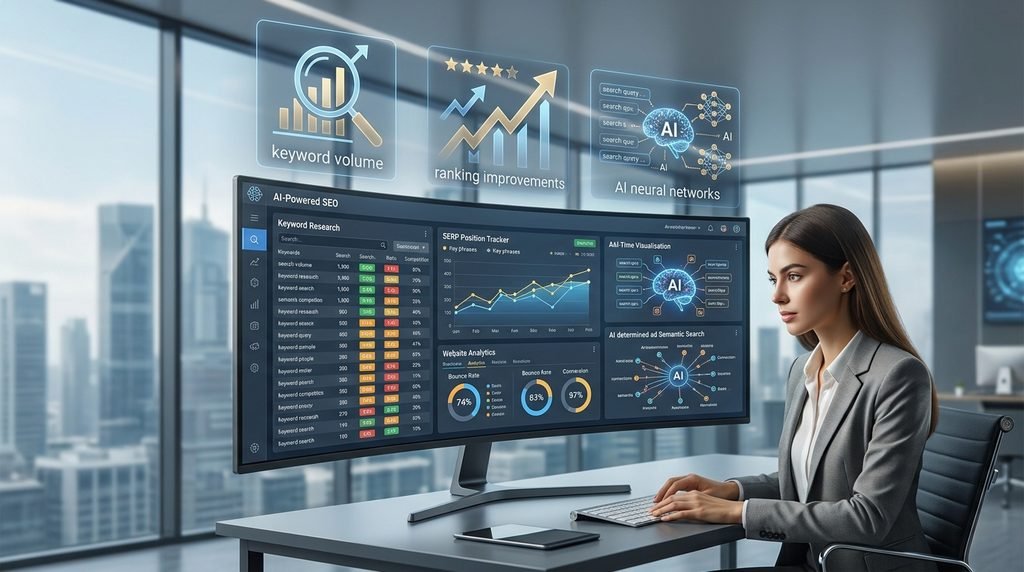
The role of artificial intelligence in marketing is likely to continue expanding.
AI is making it easier to automate repetitive work, analyze information, personalize customer experiences, and create different types of marketing content.
However, technology alone does not guarantee marketing success.
Strong marketing still depends on understanding customers, solving real problems, building trust, and communicating a clear message.
The businesses that use AI effectively are likely to be those that combine artificial intelligence with human creativity, strategy, judgment, and customer understanding.
Final Thoughts
AI Marketing 2026 represents an important shift in digital marketing. AI is helping businesses create content faster, analyze data, personalize customer experiences, automate repetitive activities, and improve marketing workflows.
For marketers and business owners, the goal should not be to use AI for everything. Instead, identify where AI can provide genuine value and combine it with human expertise.
As AI technology continues to develop, learning how to use these tools effectively can become an important part of a modern digital marketing strategy.
Frequently Asked Questions
What is AI Marketing 2026?
AI Marketing 2026 refers to the use of artificial intelligence in modern marketing activities, including content creation, SEO, advertising, personalization, analytics, and automation.
Can small businesses use AI marketing?
Yes. Many AI-powered marketing tools can help small businesses with content creation, customer support, research, analytics, and other marketing tasks.
Will AI replace digital marketers?
AI can automate many repetitive tasks, but marketing still requires strategy, creativity, communication, judgment, and an understanding of customers. AI is more useful as an assistant than as a complete replacement for human decision-making.
How can I start using AI for marketing?
Start with one specific task, such as generating content ideas, analyzing marketing data, creating social media drafts, or improving an SEO workflow. Measure the results before expanding your use of AI.